
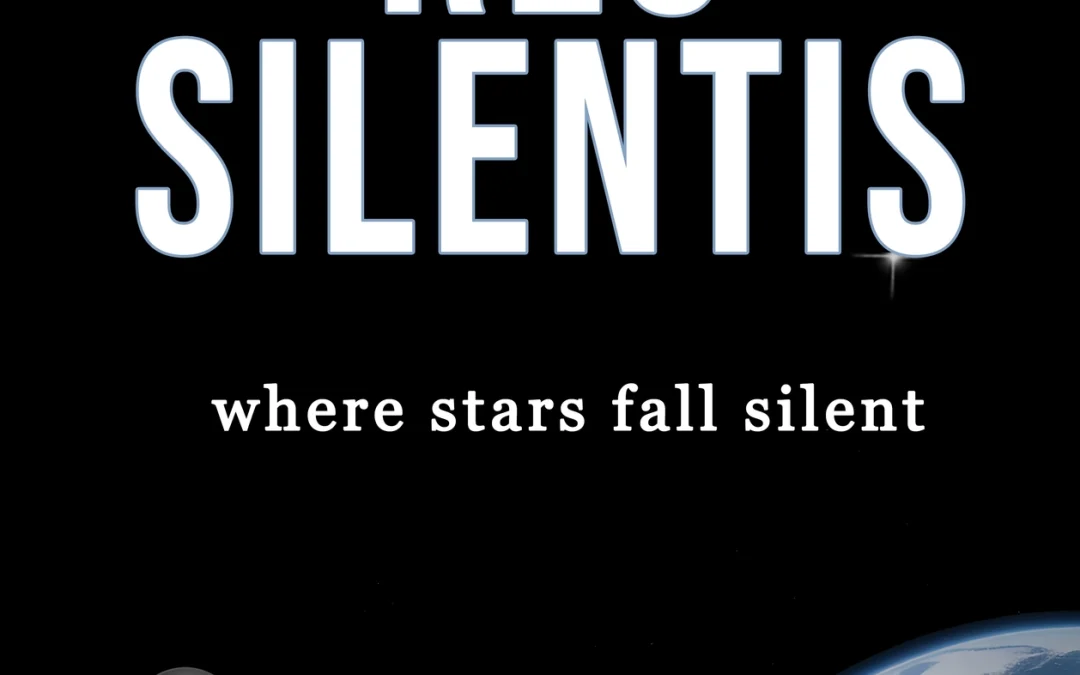
This novel treats first contact not as a cinematic climax but as an operational problem—and that choice is its greatest strength. Rather than aliens-on-the-horizon theatrics, the book asks a different, more unsettling question: what happens when something that might be “other” first appears inside the systems and procedures we already trust? The result is a portrait of contact built from detection thresholds, signal-to-noise ratios, bureaucratic fallibility, and the slow arithmetic of verification. If you care about plausibility, you’ll find this approach deeply satisfying.
Garbayo’s attention to the mundane mechanics of discovery—instrument calibration, archival searches, committee minutes, and the politics of grant funding—turns plausibility into drama. He shows how human institutions can be both precise and fragile: a single calibration error, an ambiguous data point, or an over-eager press release can cascade into misinterpretation. The tension in the book comes from real-world failure modes: cognitive biases in analysts, jurisdictional wrangling between agencies, and the time it takes for global systems to update their assumptions. That realism makes each step feel credible and unnerving, because the reader recognizes the ways our systems might misread or mishandle the first echo of something genuinely new.
The novel also explores the likely variety of “firsts”: not a dramatic handshake but a noisy measurement, a persistent anomaly, or a structure hidden in plain sight among human-made debris. Garbayo resists tidy resolutions and instead models how scientists would actually behave—cautious, peer-review obsessed, and painfully aware of precedent. That means moments of excitement are often followed by long stretches of meticulous cross-checking. Those stretches are where the book excels; they’re where character and institutional philosophy reveal themselves, and where the ethical questions—who decides what to tell the public, who owns the data, how do we avoid panic—become unavoidable.
What makes the book feel particularly contemporary is its sensitivity to scale. “Contact” here is not purely cosmic; it’s logistical, informational, and social. A detection in low Earth orbit can ripple through supply chains, media cycles, and political bodies. Garbayo understands that a plausible first contact scenario will be as much about governance and communication as about astrophysics. That perspective yields scenes that feel painfully possible: press conferences that misframe uncertainty, committees that prioritize reputation over truth, and technicians who must balance curiosity with caution.
No spoilers: this is a hard-SF first-contact story that privileges method over melodrama, showing how the world’s existing systems might discover — and misunderstand — the unfamiliar. If you’re drawn to science fiction that privileges realism, institutional detail, and the ethical complexity of discovery, this novel reads like a field manual for the imagination. It’s not only entertaining; it’s a thoughtful probe into how humanity might actually meet the unknown—and how unprepared, in surprising ways, we might be. Highly recommended for readers who want their speculative scenarios grounded in what could really happen.